Venues & Communities
Community Dance Halls in Porto
Discover the best dance venues where Porto's retirees gather weekly for salsa, bachata, and real social connection with friends.
Where the Music Never Stops
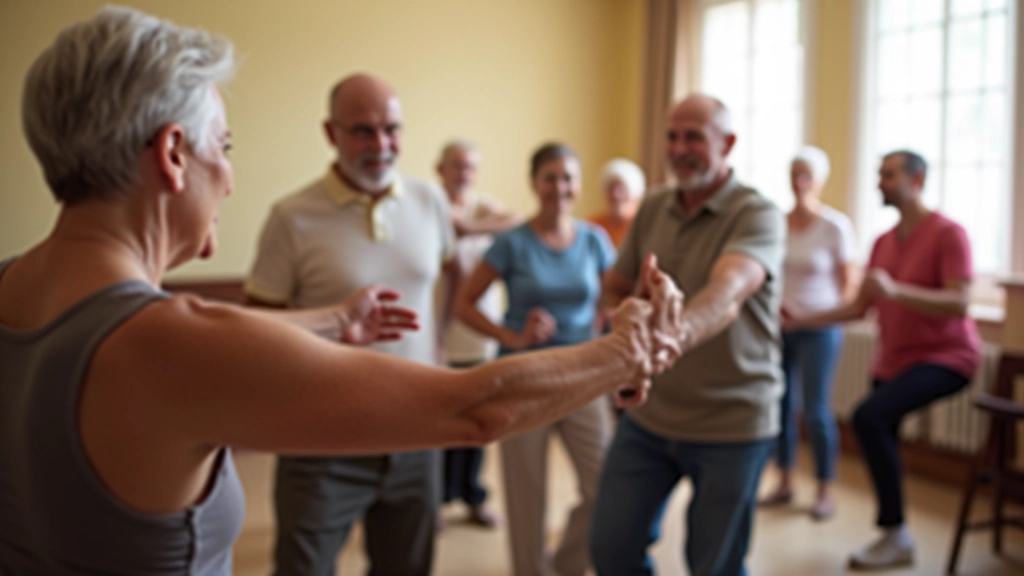
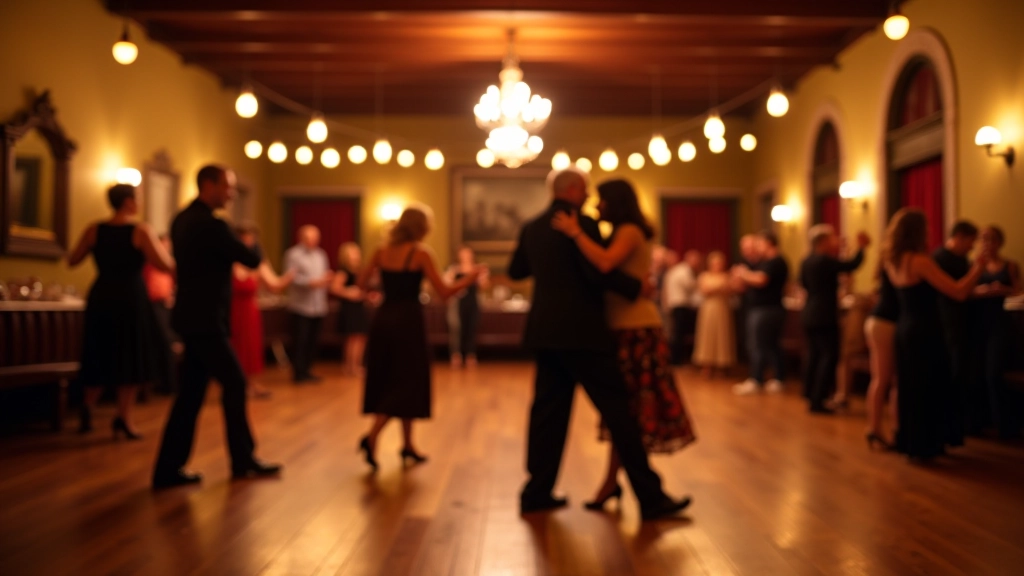
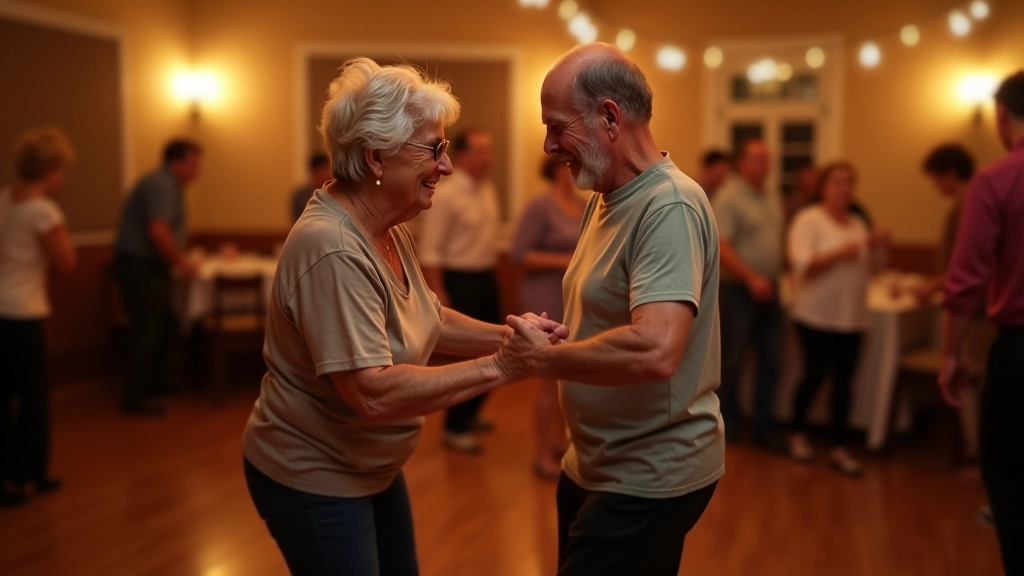
Porto's dance halls aren't fancy clubs. They're community spaces where you'll find people aged 55 to 80 dancing together, laughing, and making friends. We're talking about real venues with character — places that've been hosting dances for decades.
Whether you're just curious or you've been dancing for years, these halls welcome everyone. You'll find structured lessons, open dance nights, and groups that meet regularly. The vibe is relaxed. Nobody's judging. People come to move, have fun, and be part of something.
8+
Active community dance venues across Porto
3-5
Dance sessions per week at each venue
€3-8
Typical entry cost per session
The Main Dance Halls You'll Find
Here's where most of the action happens in Porto. Each has its own style and regular crowd.
Centro Cultural da Junta de Miragaia
One of the oldest spots for salsa and bachata in Porto. Hosts Thursday and Saturday dances with live DJ. The wooden floor's been worn smooth by thousands of feet over the years. Good lighting, open space, and a bar for refreshments.
Rua de São João, Miragaia
Thursday 8 PM, Saturday 9 PM
Sala Dança do Ribeira
Smaller, intimate space in the Ribeira district. Known for friendly groups and beginner-friendly lessons on Tuesday evenings. The instructors actually work with you one-on-one if you're struggling with footwork or rhythm. Regular Wednesday open dances too.
Rua da Ribeira, Porto
Tuesday 7 PM (lessons), Wednesday 8 PM
Espaço Latino Porto
Modern facility with sprung flooring (better for joints). They run a mix of salsa, bachata, and merengue classes throughout the week. Friday's their biggest night. Crowd is mixed ages but there's definitely a retiree community that comes regularly.
Avenida da República, Porto
Monday-Friday 6-9 PM, Friday 9 PM open dance
What a Typical Evening Looks Like
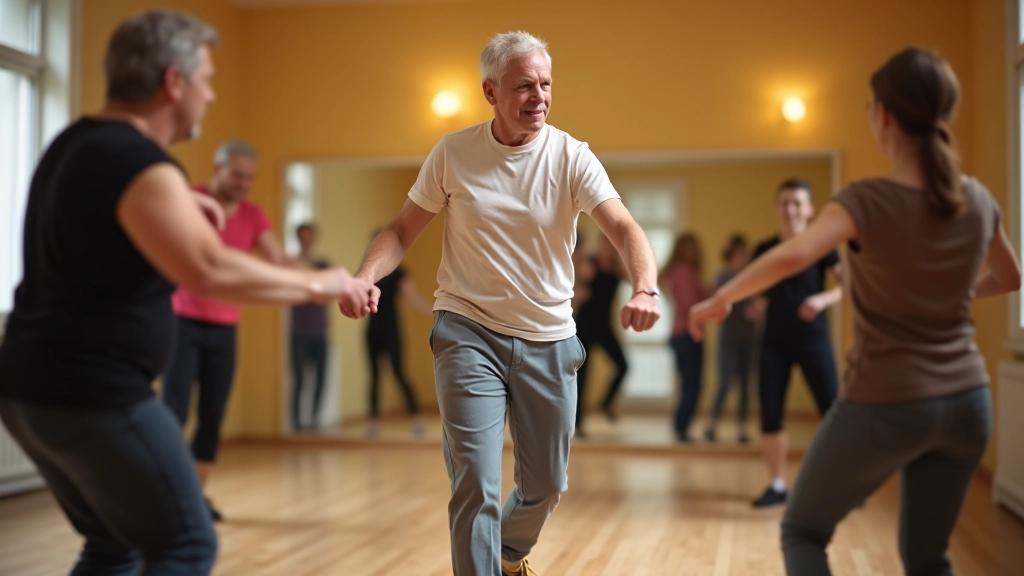
You'll arrive around 8 PM. There's usually a few people warming up, chatting by the bar. The instructor does a quick 20-30 minute lesson — basic salsa steps, rhythm work, or partner technique depending on the night. Don't worry if you're rusty. Everyone's there to improve.
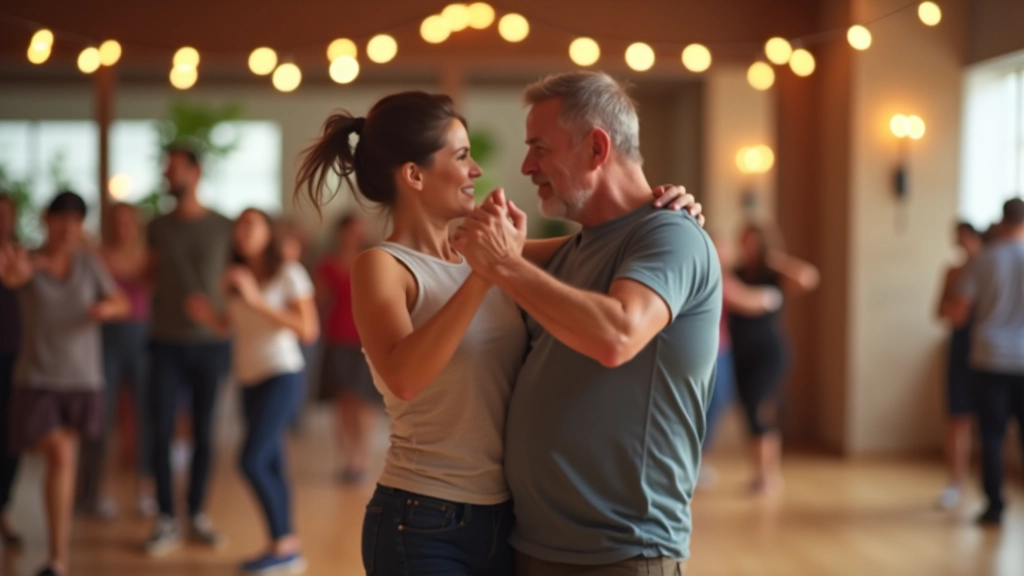
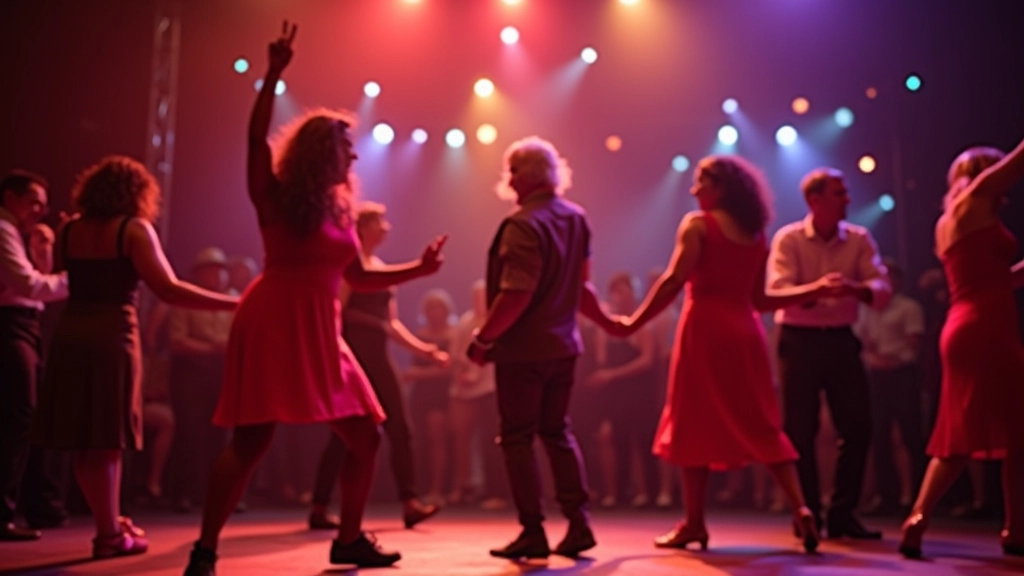
After the lesson, it's open dancing. The DJ plays a mix of salsa, bachata, and merengue. Some people dance with partners they've known for years. Others rotate around the room, meeting new people. That's the beauty of it — you're not locked into one partner. You dance with whoever asks, and the etiquette is simple: just be respectful and have fun.
The music keeps going until 11 PM or midnight. Most people head home after a few hours, tired and happy. You'll feel it the next day in your legs — but it's the good kind of tired.
"I wasn't sure about coming at first. Thought everyone would be better than me. But on my first night, this woman just grabbed my hand and said, 'Come on, let's dance.' We did the whole song. Messed up half of it. She didn't care. Now I go every week."
Before You Go
This article is informational. Details like schedules, pricing, and venue addresses change regularly. Always contact venues directly before visiting. If you have physical concerns or medical conditions, check with your doctor before starting dance activities. Dance is generally safe, but it's smart to know your own limits.
How to Actually Get Started
You're thinking about going. Here's what'll make your first time better.
1
Wear Comfortable Shoes
Not formal dancing shoes. Regular shoes that let your feet move. Something with a smooth sole helps, but honestly, sneakers work fine. You're not training for competition — you're having fun.
2
Go Early the First Time
Arrive during the lesson part, not the open dancing. Less intimidating. You'll learn something, and by the time open dancing starts, you've already seen what everyone's doing.
3
Bring a Friend if You're Nervous
Or don't. Honestly, coming alone works too. People will notice you're new and often come say hi. But if you want backup, bring someone. It makes the first hour less awkward.
4
Learn Basic Salsa First (Optional)
You don't have to. But watching a 10-minute YouTube video on basic salsa steps before you go? That'll boost your confidence. You'll recognize what the instructor's teaching and won't feel completely lost.
The Dances You'll Encounter
Most venues focus on three main styles. Salsa is the most common — fast footwork, rotations, and a specific rhythm. It looks complicated but it's just step-touch-step-pause repeated. Bachata is slower, more sensual. You'll see a lot of body movement and hip rotation. It's actually easier on the knees if you're dealing with joint issues. Merengue is somewhere in between — steady rhythm, minimal footwork, mostly about staying connected with your partner.
You don't need to choose. Most people end up dancing all three in a single evening. The instructors will teach you basics for each, and honestly, after a few weeks you'll pick your favorite. Some people swear by bachata because it's easier. Others love salsa for the energy. There's no wrong choice here.
Pro tip: Bachata nights are usually less crowded. If you're worried about bumping into people or feeling claustrophobic, go to a bachata session first.
The Real Reason People Keep Coming Back
It's not actually about the dancing. I mean, it is. But mostly it's about the people. You'll see the same faces week after week. After a month, you'll know half the room. After three months, you're part of a group. People invite you for coffee before the dance. You celebrate birthdays together. Someone gets sick and the whole crew checks in on them.
This is real community. Not a forced club or a scheduled meetup. It's organic. It happens because you're all there doing something you enjoy together. The dancing is just the excuse to be around people who get you.
Weekly Rhythm
You know you'll be there every Thursday. Life gets structured around that one reliable thing. People count on seeing you. You count on seeing them.
No Judgment Zone
Nobody cares if you mess up. Everyone's there to learn. The best dancers are usually the most patient with beginners because they remember being new.
Physical & Mental Boost
You'll feel stronger after a few weeks. Your coordination improves. Your mood lifts. And you're doing it with people who understand why it matters.
Next Steps: From Curious to Confident
You've read about the venues. You know what to expect. The only step left is actually going. Pick one of the places mentioned above. Check their schedule online or call ahead. Show up 15 minutes early so you're not rushed. Wear comfortable clothes and shoes. Tell the instructor it's your first time. That's it.
Your first night won't be perfect. You'll probably feel awkward at some point. That's normal. Everyone felt that way their first time. What matters is you showed up. And if you go again next week, that awkwardness cuts in half. By week three, you're not thinking about being nervous anymore. You're just enjoying the music and the people.
The dance halls in Porto are waiting. They're not exclusive clubs for people who already know how to dance. They're community spaces for people like you — people who want to move, learn, and belong to something. That's what makes them special.

Explore More Dance Topics