Wellness & Community
Partner Dance Workshops for Retirees
Learn how partner dance workshops build confidence, improve posture, and create meaningful connections with other dancers in your community.
Why Partner Dance Matters at Any Age
Partner dancing isn't just about moving to music. It's a complete experience that brings together physical activity, social connection, and genuine joy. When you dance with a partner, you're building something special — trust, coordination, and a real sense of belonging in a community.
We've seen countless retirees discover that partner dance workshops transform not just how they move, but how they feel about themselves and their place in the world. It's about more than steps and rhythm. It's about confidence, health, and friendships that last.
1
Improved Posture
Partner dance naturally strengthens your core and realigns your spine through proper movement patterns.
2
Social Confidence
Regular workshops create a supportive environment where you'll meet people, share experiences, and build real friendships.
3
Mental Clarity
Dancing requires focus and presence, which naturally reduces stress and keeps your mind sharp and engaged.
Getting Started: What to Expect
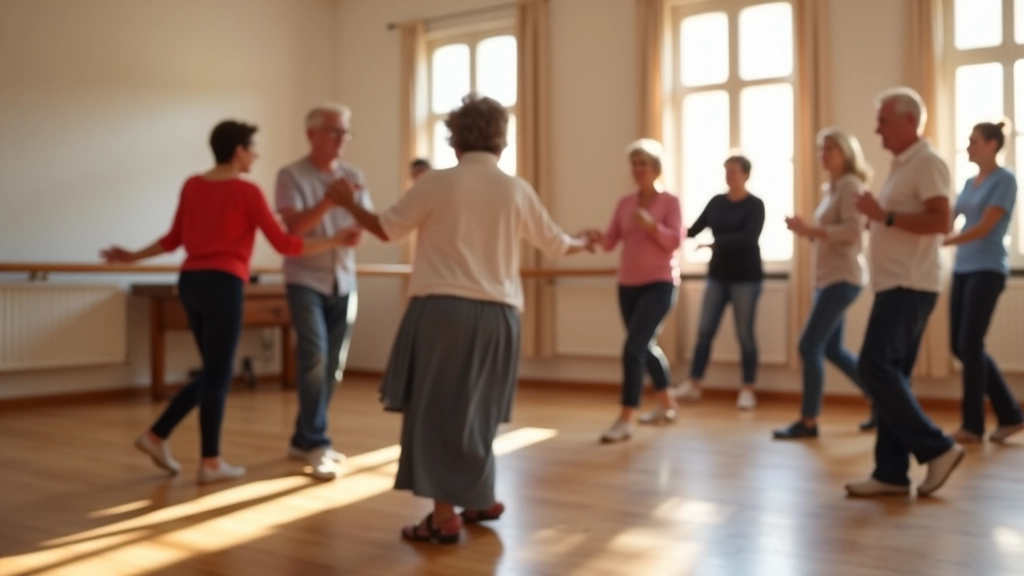
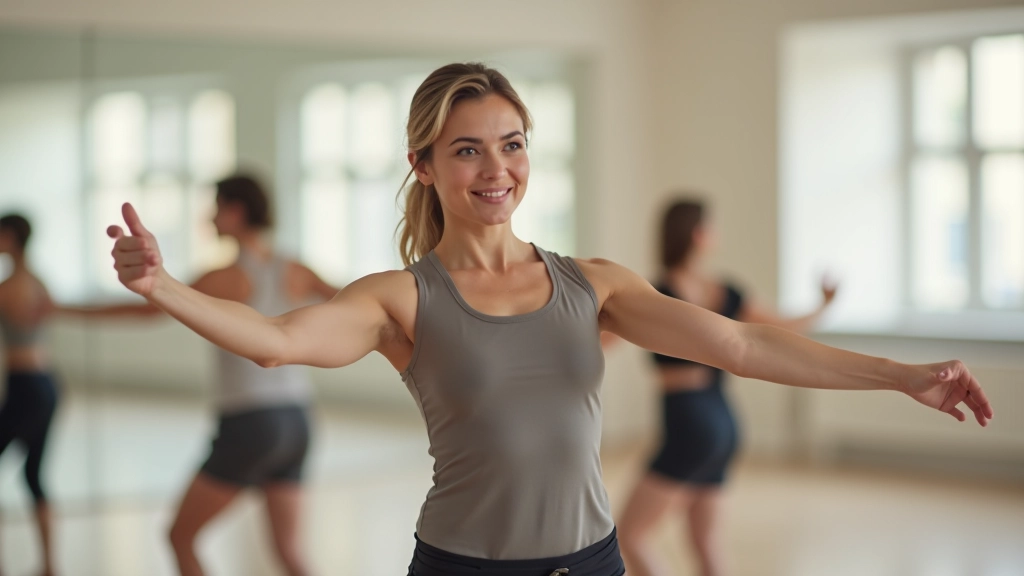
Most partner dance workshops for retirees start with the fundamentals. You're not expected to know anything beforehand. Classes typically begin with basic footwork — learning to feel the rhythm, understanding how your body moves through space, and getting comfortable with your own movement patterns before adding a partner into the mix.
The first few sessions focus on building that foundation. You'll learn proper stance, weight transfer, and how to maintain balance. It sounds technical, but honestly, it's more intuitive than you'd think. Within 3-4 sessions, most beginners feel genuinely comfortable with the basics.
Pro tip: Wear comfortable shoes with some grip. Many studios recommend smooth-soled dance shoes, but your regular trainers work fine for learning. You're not competing — you're discovering something new about yourself.
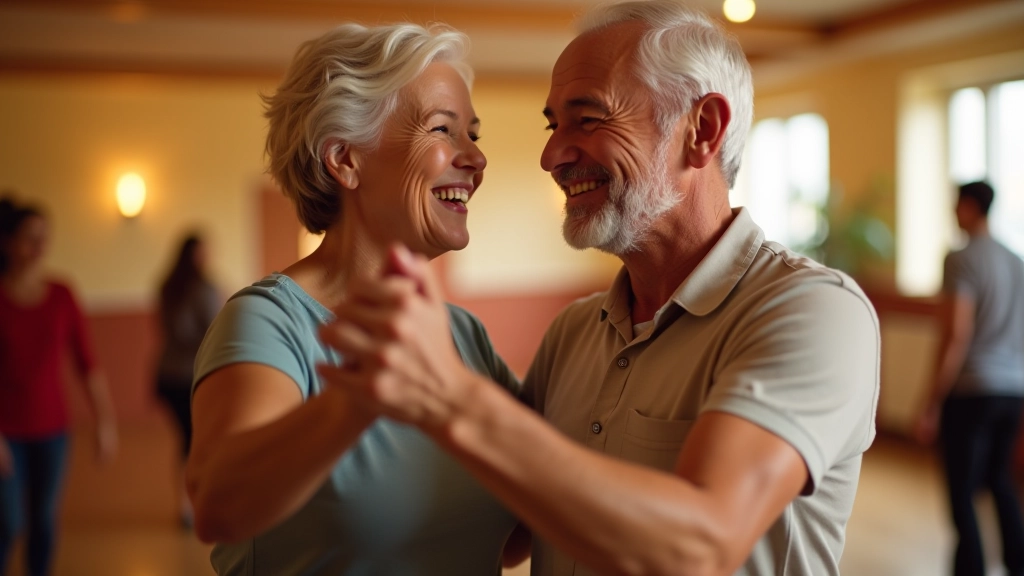
Partner work begins once you've got the basics down. This is where the real magic happens. Your instructor will teach you how to lead and follow, how to communicate through movement, and how to trust your partner. It's not about perfection. It's about connection.
Important Note
This article is informational and educational in nature. Before starting any new physical activity or dance program, especially if you have existing health conditions or mobility concerns, it's always wise to consult with your healthcare provider or a qualified medical professional. They can help ensure partner dance is appropriate for your individual situation and provide personalized guidance.
The Physical & Mental Health Benefits
Partner dancing is a full-body workout that doesn't feel like exercise. You're improving cardiovascular health, strengthening your core, and enhancing balance — all while having fun and connecting with someone. Studies show that regular dancing improves flexibility and coordination in ways that isolated gym routines often don't achieve.
Beyond the physical benefits, there's something profound happening mentally. You're learning something new, which keeps your brain active and engaged. You're in a social environment, which combats isolation. You're building trust with your partner, which strengthens emotional wellbeing. The combination is powerful.
Many retirees report better sleep, improved mood, and increased energy after starting dance workshops. That's not coincidence. Movement, music, and community work together to transform how you feel about yourself. You're not just dancing — you're investing in your overall quality of life.
Building a Dance Community
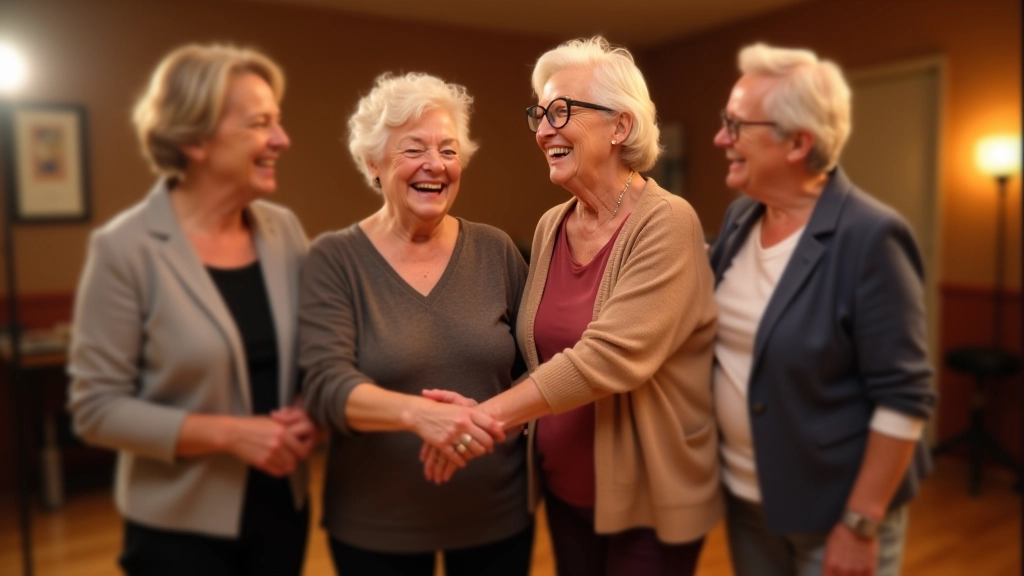
One of the most underrated benefits of partner dance workshops is the community aspect. You're not learning in isolation. You're surrounded by people at similar stages of life, with similar interests, facing similar challenges. That shared experience creates genuine friendships that extend beyond the dance studio.
Many workshops organize social events — casual practice sessions, themed nights, or group outings to local dance venues. These aren't forced socializing. They're natural extensions of the community you've already built through regular classes. You'll find yourself looking forward to Wednesday evenings not just for the dance, but for the people.
"I wasn't sure about it at first, honestly. But after a few weeks, I realized I was coming for the people as much as the dancing. It's like finding a new family."
— Maria, 68
The social element isn't just pleasant — it's therapeutic. You're building connections, creating new memories, and establishing routines that give structure and purpose to your week. That matters. That really matters.
Finding Your Workshop & Getting Involved
Partner dance workshops aren't hard to find. Many community centers, local studios, and cultural organizations offer classes specifically designed for retirees. You'll find everything from ballroom to salsa to bachata, often scheduled at times that work well for people with flexible schedules.
When you're looking for the right class, consider a few things. Does the instructor have experience teaching retirees? Are class sizes manageable — typically 10-15 people works best? Is the pace comfortable, or do they rush through basics? Most studios offer a trial class or intro session, which we'd recommend taking before committing. That first experience sets the tone for everything that follows.
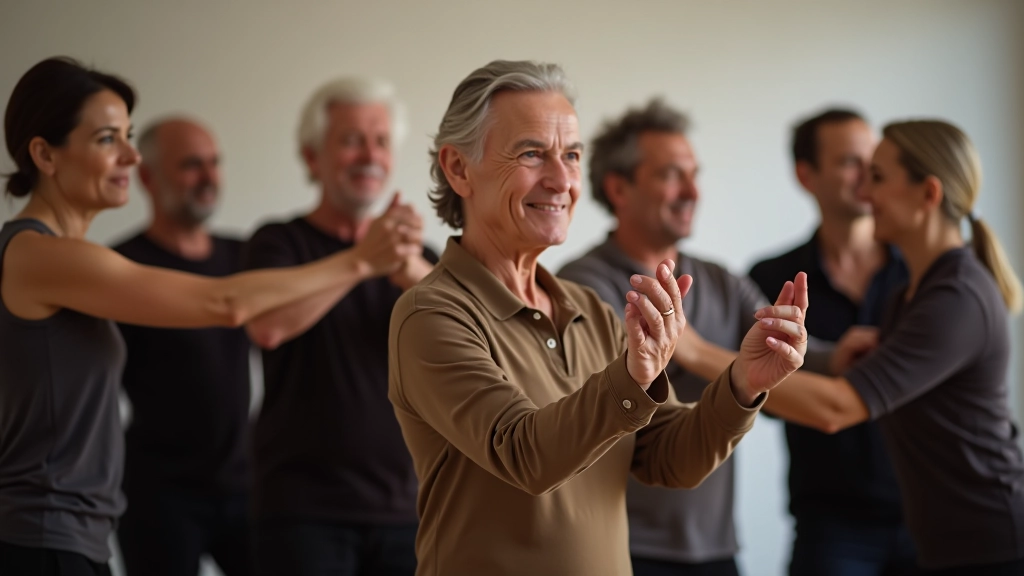
Don't worry about finding a permanent partner before you start. Most workshops rotate partners during class, which is actually ideal for beginners. You'll learn to adapt your style, understand different body types and movement patterns, and build confidence with various people. That flexibility translates into genuine skill development.
The investment is worth it. Whether you're looking for better health, new friendships, mental engagement, or simply something joyful to do with your time — partner dance delivers on all fronts. You're not just learning steps. You're rediscovering parts of yourself you might've thought were behind you.
Start Your Dance Journey Today
Partner dance workshops offer something rare in our modern world — genuine connection, physical vitality, and the joy of learning something new. You don't need prior experience, perfect balance, or even a partner waiting for you. You just need to show up willing to try.
The best time to start was probably last year. The second-best time is right now. Find a class, attend that first session, and see how it feels. We're confident you'll discover what thousands of retirees already know: partner dancing changes lives in ways that have nothing to do with fancy footwork and everything to do with becoming more fully alive.
Related Articles