Staying Fit Through Bachata and Salsa
Discover how Latin dance transforms your body, boosts your cardiovascular health, and brings joy to every movement. Perfect for retirees looking to stay active and engaged.
Why Bachata and Salsa Work for Your Fitness
You don't need a gym membership or expensive equipment. Dancing is one of the most effective ways to stay fit while actually enjoying yourself. When you're moving to music you love, you're not thinking about calories burned — you're thinking about the next step, the connection with your partner, the energy in the room.
Bachata and salsa aren't just fun social activities. They're serious cardiovascular workouts. A single 45-minute session can burn 300-400 calories, improve your balance, strengthen your core, and increase your flexibility. But here's the real benefit: you'll actually want to come back because it doesn't feel like exercise.
The Numbers
300-400
Calories per session
120-130
BPM during salsa
6-8 weeks
Before noticeable improvement
Cardiovascular Benefits That Actually Last
Your heart's a muscle. It needs work to stay strong. Salsa gets your heart pumping at 120-130 beats per minute, which is exactly where you want it for aerobic conditioning. You're building endurance without spending an hour on a treadmill watching the same wall.
Bachata's slower tempo (around 100-110 BPM) doesn't mean it's easier. The continuous movement, weight shifts, and hip action keep your heart engaged. It's less intense than salsa but more sustainable if you're building your fitness level back up. Mix the two, and you've got a complete cardiovascular program.
The real advantage? You're not dreading it. You'll show up regularly. Consistency beats intensity every single time.

Balance and Stability — Your Best Fall Prevention
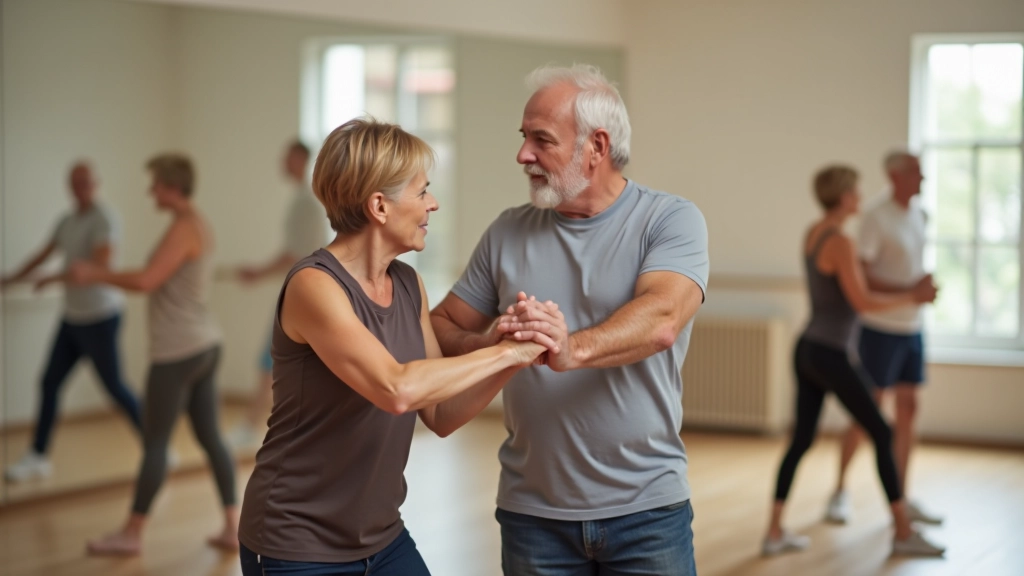
Falls are a real concern as we get older. Balance training reduces that risk dramatically. Dancing forces you to stay aware of your body position, weight distribution, and where your feet are landing. That's exactly what your proprioception needs — constant practice in controlled environments.
Salsa's quicker footwork and direction changes challenge your balance more intensely. Bachata's smoother, slower movements let you develop stability without feeling rushed. Both teach your body to make micro-adjustments automatically. After a few months of regular dancing, you'll notice you're steadier walking down the street or getting up from a chair.
That's not a small thing. It's freedom and confidence.
Flexibility and Range of Motion
Dance isn't static stretching — it's dynamic movement through your full range of motion. Bachata's hip movements open up your hips and lower back. The body rolls and rotations work your spine through angles you probably haven't moved through in years. You're not forcing anything. The music guides you.
Salsa adds shoulder and arm mobility. The turns, the arm styling, the weight shifts — they all demand that you move fluidly through multiple planes. Your shoulders get more mobile. Your ankles strengthen and become more flexible. Your core engages to keep you centered while your limbs move freely.
The compound effect: After 8-12 weeks of dancing twice weekly, most people report they can tie their shoes more easily, reach higher shelves without strain, and turn their head more freely. It adds up.

Mental Health and Social Connection
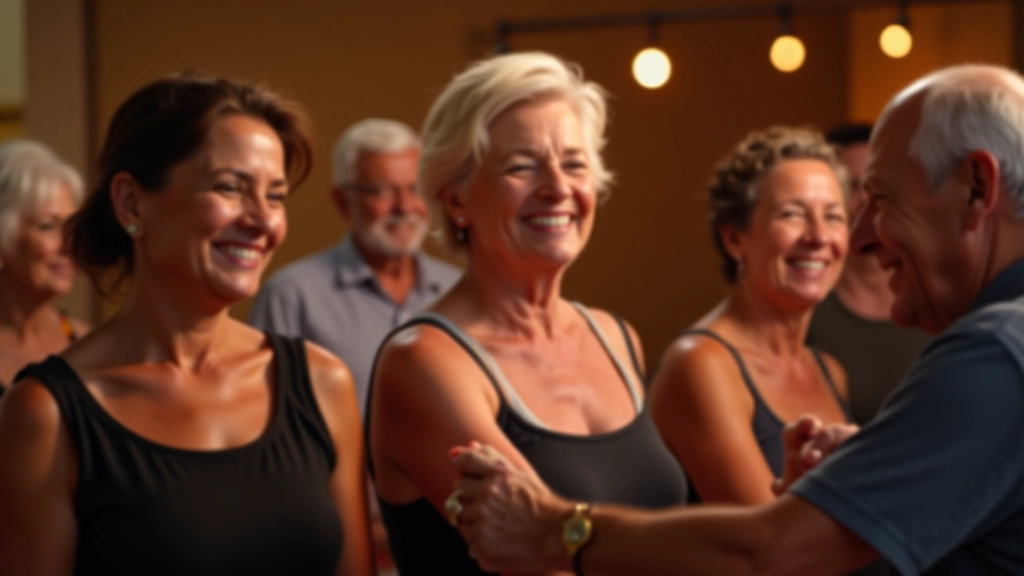
Here's what doesn't show up in fitness trackers: the mental health boost. You're moving to music, connecting with other people, learning something new. That combination lights up your brain. It's stress relief. It's purpose. It's joy.
The social element is huge. You're not alone in a gym. You're part of a community. You've got a partner, a dance floor, music you love. Studies show people who dance regularly report better mood, less anxiety, and stronger sense of belonging. Dancing with a partner adds another layer — physical connection, communication without words, trust.
That's why people who dance stick with it. It's not just exercise. It's a whole lifestyle.
A Quick Note
The information in this article is educational and intended to help you understand the potential benefits of dancing. If you're returning to exercise after a long break, dealing with any joint issues, or have health concerns, it's smart to check with your doctor first. Everyone's fitness level is different, and what works beautifully for one person might need adjusting for another. A good instructor will help you modify movements to match your needs. Start slowly, listen to your body, and build up gradually.
Getting Started: The First Steps
You don't need dance experience. You don't need perfect rhythm. You just need to show up willing to try. Here's how to actually begin:
1
Find a Beginner-Friendly Class
Look for classes specifically labeled "beginner" or "absolute beginners." You want instructors who've taught people with zero experience. In Porto, community centers and dance studios offer beginner sessions. Check timing — pick slots that fit your schedule so you'll actually go.
2
Commit to Showing Up
Eight weeks. That's the timeframe where dancing stops feeling awkward and starts feeling natural. Miss classes and you reset that timer. Consistency matters more than intensity. Two sessions per week beats one intensive session.
3
Invest in Good Shoes
You don't need expensive dance shoes, but you need shoes designed for dancing. They should allow your foot to pivot, have good arch support, and not make you slide on the floor. Worn-out sneakers or stiff dress shoes will hurt your feet and mess with your technique.
4
Don't Compare Yourself
Someone else in class might have danced before. So what. You're learning at your pace. Your progress is yours. By week four, you'll notice you're more relaxed, moving smoother, feeling more confident. That's your victory.

Related Articles